
Winter Peel Prep: How to Prepare Your Client’s Skin Before Starting Peels
Winter is traditionally considered “peel season” in the professional skin industry. Lower UV exposure, cooler temperatures, and reduced sweating make it an ideal time to begin corrective treatments for pigmentation, acne, ageing, and texture concerns.
But here’s the mistake many therapists still make: jumping straight into aggressive exfoliation on already compromised winter skin.
During winter, transepidermal water loss (TEWL) increases, meaning the skin loses moisture more rapidly, leaving the barrier weaker, drier, and more reactive.
If you peel skin that is inflamed, dehydrated, or barrier impaired, you don’t create better results — you create irritation, sensitivity, prolonged downtime, and unhappy clients.
The smartest therapists know this:
great peel results start before the peel itself.
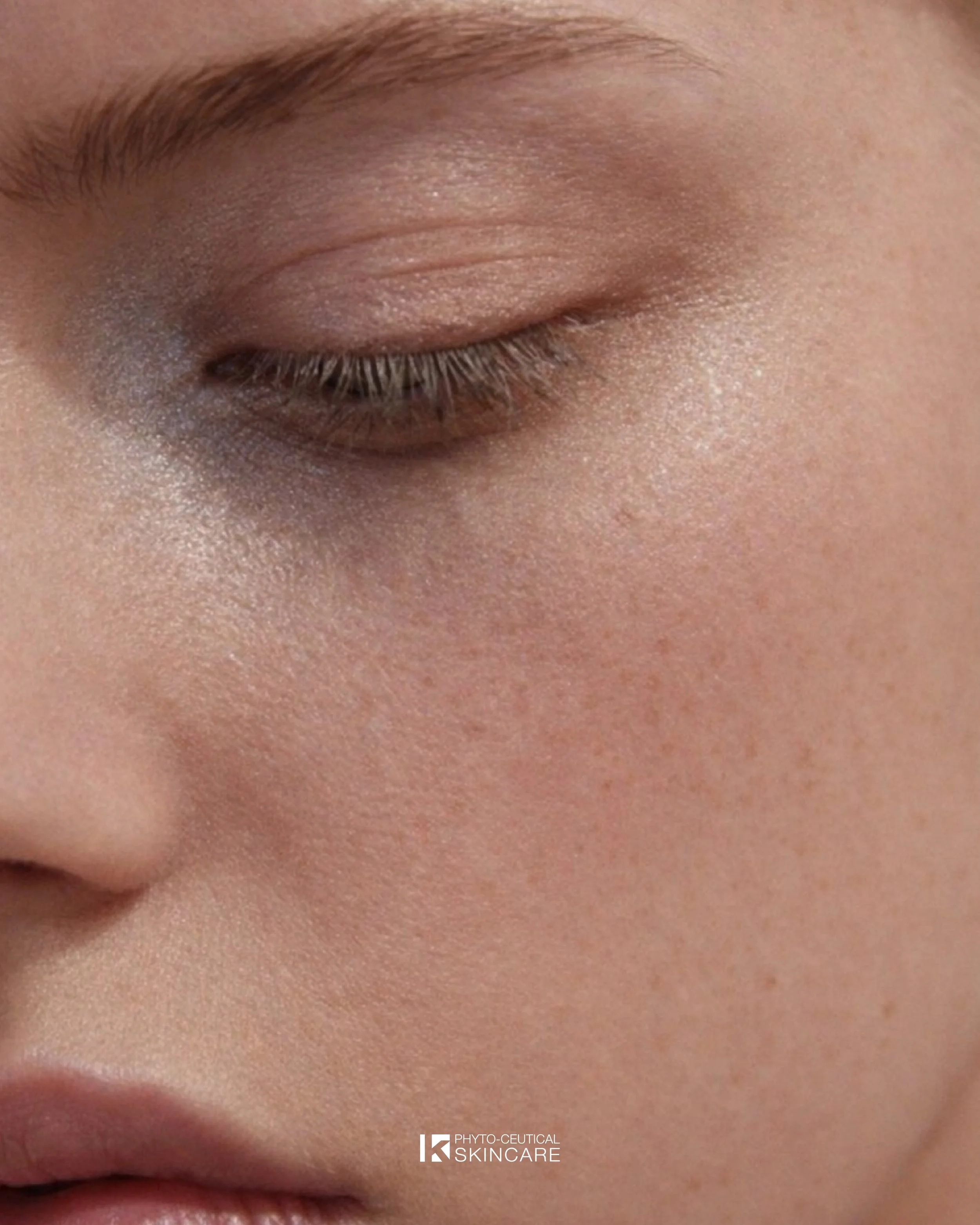
Why Winter Skin Needs Preparation First
Cold temperatures, indoor heating, harsh winds, over-cleansing, and excessive exfoliation all weaken the skin barrier during winter.
Common winter signs therapists should identify before beginning a peel program include:
Tightness after cleansing
Flaking or rough texture
Increased redness or sensitivity
Dehydration lines
Reactive breakouts
Compromised lipid barrier
Increased inflammation
When these symptoms are ignored, peel penetration becomes uneven and unpredictable.
This is especially important when working with:
Pigmented skins
Reactive or sensitised clients
Acne clients using active homecare
Mature skin with impaired barrier function
Clients overusing retinol or acids at home
The goal before any peel is simple:
hydrate, calm, strengthen, THEN exfoliate.
Step 1: Rebuild Hydration Levels
Hydration is the foundation of successful peeling.
Research continues to show that winter skin experiences higher TEWL and impaired barrier function.
Before beginning a corrective peel series, therapists should spend 1–2 weeks focusing on:
Humectants
Barrier repair
Anti-inflammatory support
Lipid replenishment
This is where professional preparation protocols become critical.
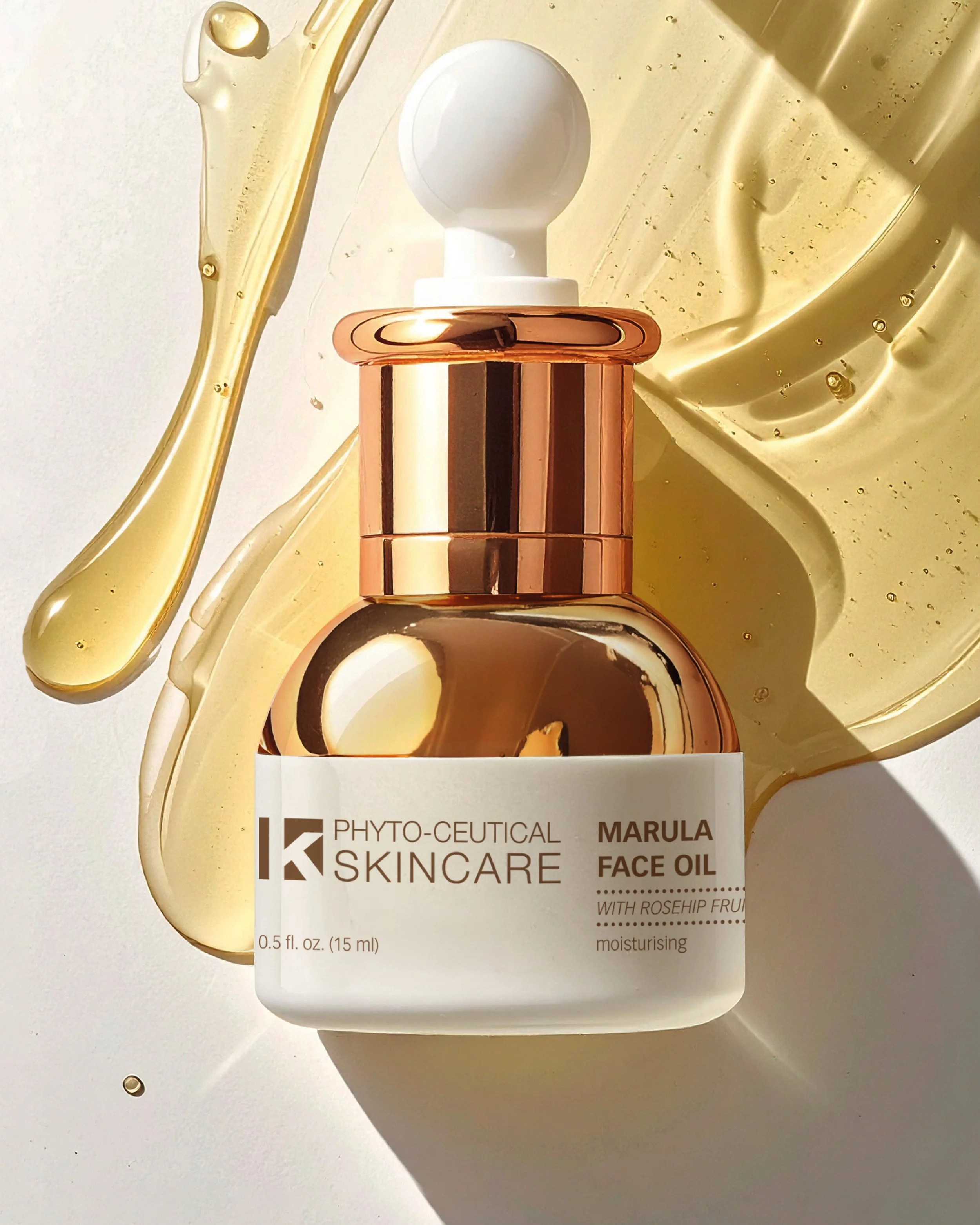
K Phytoceuticals Approach
The K Phytoceuticals philosophy works exceptionally well in winter because many formulations focus heavily on:
inflammation reduction
skin nutrition
barrier support
phyto-active healing
Products such as:
Revitalising Booster Gel
Marula Oil
Nourishing Eye Balm
can help calm and nourish winter-compromised skin before introducing stronger resurfacing treatments.
The Hydrogel Jelly Mask is particularly valuable post-treatment because it delivers intense cooling hydration while helping reduce visible redness and inflammation after exfoliation.
For dry or reactive winter skin, therapists should consider adding nourishing facials into the treatment plan before commencing stronger corrective work.
Step 2: Correct the Barrier Before Correcting the Skin
One of the biggest misconceptions in advanced skin therapy is believing stronger equals better.
In reality, impaired skin barriers create:
inconsistent peel penetration
increased inflammation
delayed healing
higher risk of post-inflammatory pigmentation
Modern peel preparation is about controlled correction — not aggressive stripping.
Studies continue to highlight the importance of ceramides, essential fatty acids, niacinamide, antioxidants, and humectants in rebuilding skin barrier integrity before advanced exfoliation.
Step 3: Introduce Smart Corrective Homecare
Preparing clients at home is just as important as the in-clinic treatment itself.
Before starting a peel series, therapists should educate clients on:
avoiding over-exfoliation
reducing harsh scrubs
limiting excessive retinol use
using SPF daily
switching to gentler cleansers
increasing hydration support
Winter clients often believe flaky skin means they need “more exfoliation.”
Usually, they actually need more barrier repair.
CF Peels: Progressive Correction Without Over-Stressing the Skin
CF Ceuticals peel systems are highly suited to therapists wanting progressive correction while still respecting skin health.
This becomes particularly important during winter when skin can already be vulnerable.
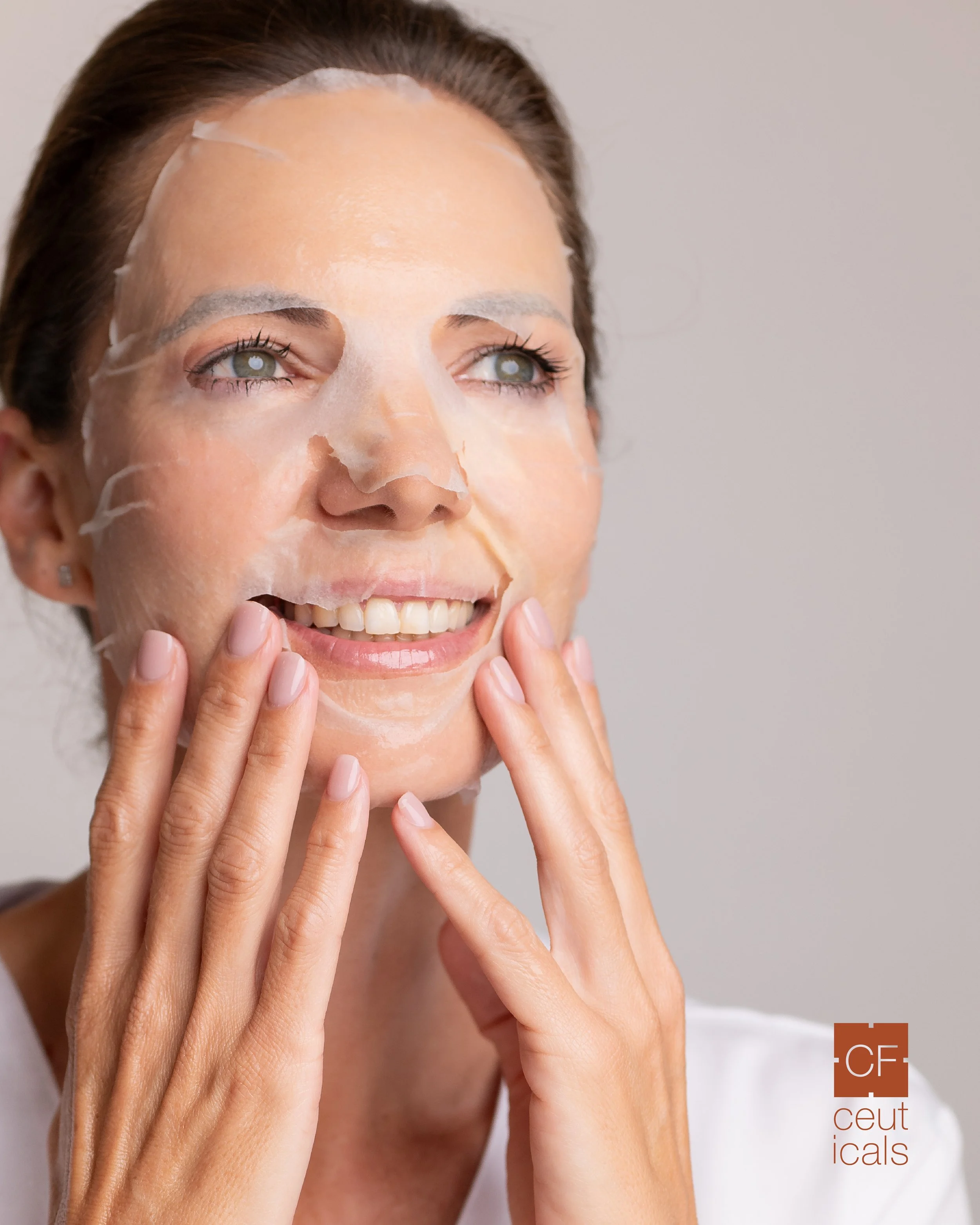
Pairing corrective peel programs with supportive transdermal solutions and recovery masks can significantly improve:
client comfort
treatment consistency
skin recovery
overall results
Professional favourites include:
CF Niacinamide B3 Transdermal Solution
CF MelanoBright Transdermal Solution
CF Hyaluronic Mask
The CF Niacinamide B3 solution is particularly useful in winter preparation protocols because niacinamide helps support barrier function while reducing visible redness and inflammation.
Meanwhile, MelanoBright becomes an excellent companion for therapists treating winter pigmentation concerns, helping support a more even complexion during corrective programs.
The CF Hyaluronic Mask is ideal post-peel to replenish hydration and calm sensitised skin — especially important during colder months where dehydration levels are elevated.
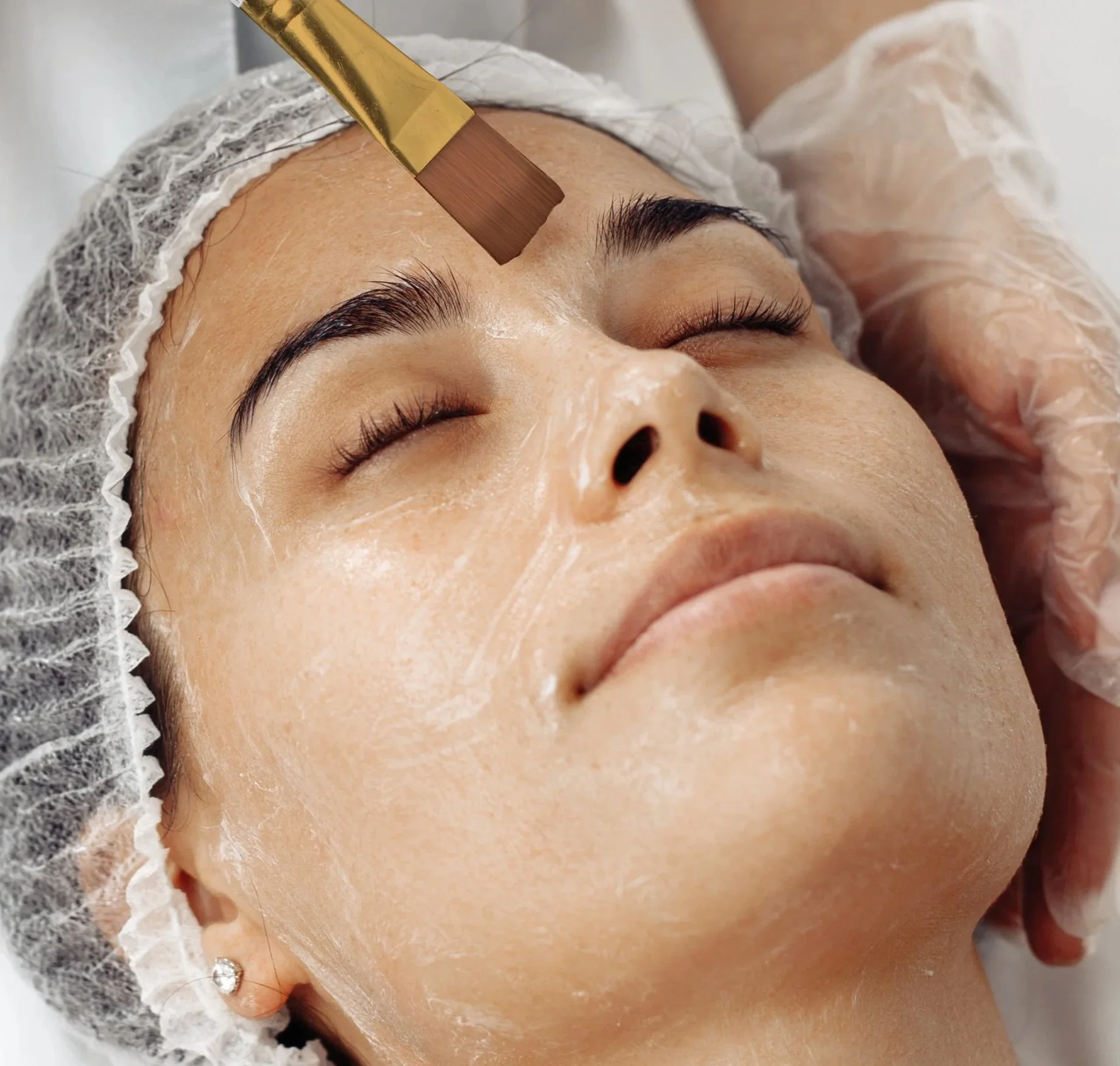
Step 4: Layer Peels Strategically
Not every client should begin with aggressive resurfacing.
A smarter winter strategy often looks like this:
Week 1–2
Focus on:
hydration
barrier repair
calming inflammation
Week 3
Introduce mild enzymatic or progressive resurfacing
Week 4+
Advance into stronger corrective peel protocols depending on:
skin tolerance
healing response
hydration levels
inflammation markers
This layered approach typically produces:
better client retention
reduced complications
improved results
stronger retail sales
greater client trust
The Future of Professional Peeling
The industry is moving away from the old “peel hard and peel fast” mentality.
Today’s advanced therapists are focusing on:
skin longevity
inflammation management
barrier health
controlled correction
holistic skin function

And honestly, clients are becoming more educated too.
They want results — but they also want healthy, resilient skin.
Therapists who understand how to prepare winter skin properly before peeling will consistently achieve:
better outcomes
fewer reactions
stronger client loyalty
higher treatment confidence
Because the best peel results don’t start with acids.
They start with preparation.
Therapist Takeaway
Before beginning any winter peel journey, ask yourself:
Is this skin ready to heal properly?
If the answer is no, your first job isn’t exfoliation.
It’s restoration.
And that is where intelligent systems like K Phytoceuticals and CF corrective support products can completely elevate your peel results this winter.