
The Estrobolome and Skin Health: What Skin Therapists Need to Know
Your client’s skin is changing. Could her gut be part of the conversation?
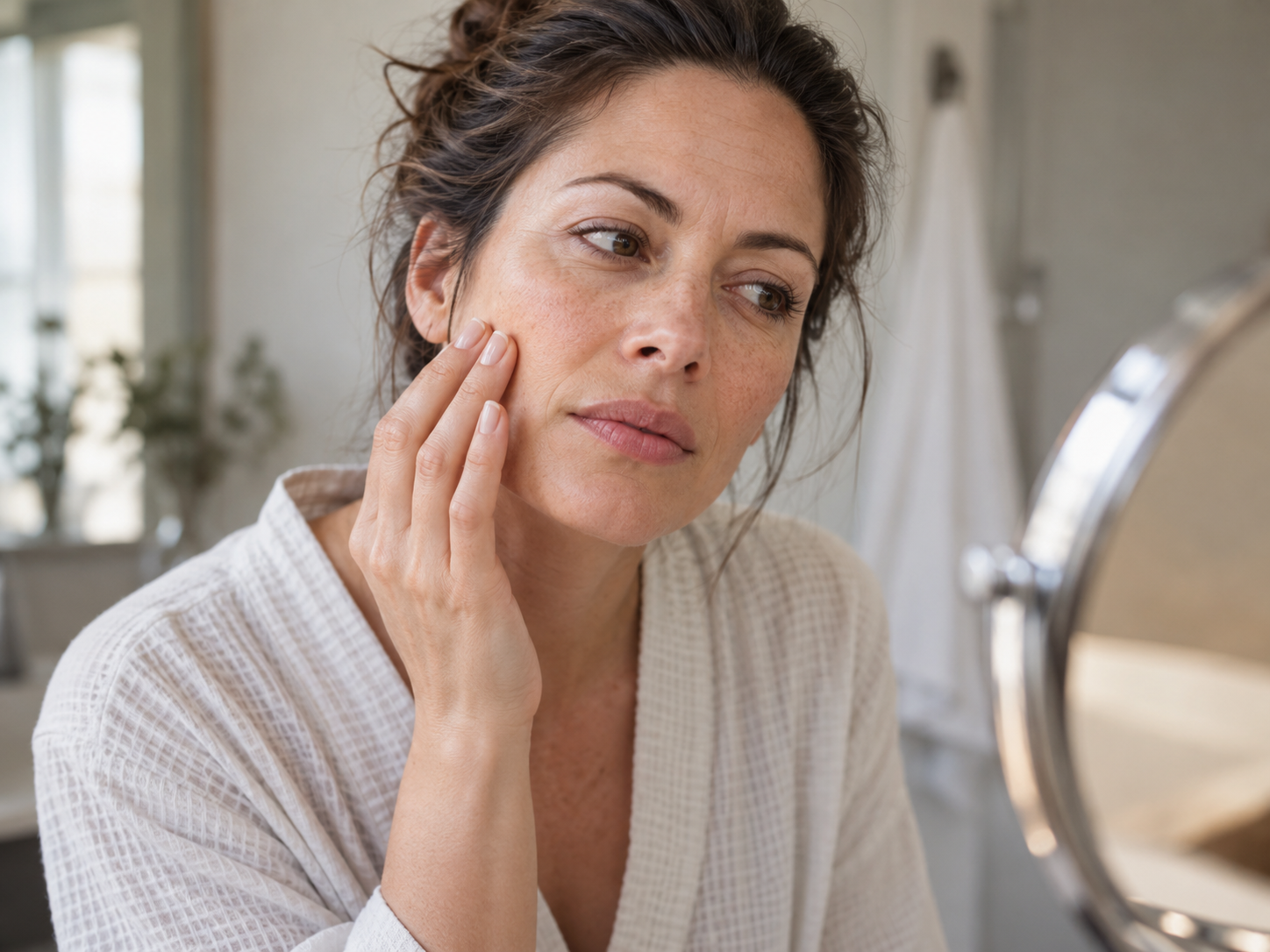
A client in her forties tells you that her skin suddenly feels drier. Another is dealing with breakouts after years of clear skin. You adjust their homecare and treatment plan, but it is worth asking a broader question: what else is changing in their bodies?
A recent video about the estrobolome caught my attention. It describes a connection between gut bacteria and estrogen that many skin professionals may not have come across. It is an interesting piece of the skin health conversation, provided we are careful about what the science can and cannot tell us.
What is the estrobolome?
The estrobolome refers to gut microbes with the ability to metabolise estrogen. After the body processes estrogen, some of it travels from the
liver into the intestine. Certain gut bacteria produce enzymes that can change those estrogen compounds, allowing some to be reabsorbed rather than leave the body in stool. Researchers call this enterohepatic recycling.
That is a real biological pathway. What we cannot yet do is look at a client’s skin, bowel habits or microbiome and conclude that she is “recycling too much estrogen.” We also cannot promise that a supplement or a change in diet will correct her hormone levels or clear her skin.
Why should skin therapists care?
Estrogen plays a role in skin structure and function. Changes around menopause can coincide with dryness, reduced elasticity and changes in collagen. Yet every client’s experience is different, and hormones are only one part of the picture.
For me, the value of learning about the estrobolome is that it reminds us to take a fuller history. When a client’s skin changes, ask about her routine, treatments, medication, life stage and general wellbeing. If she mentions persistent constipation or troublesome hormonal symptoms, encourage her to discuss them with an appropriate healthcare professional. We can support the skin in front of us, we can prescribe gut health products from My Way Up but we cannot diagnose what is happening internally.
There is also a practical lesson in the video: the foundations matter. Eating a variety of fibre-rich foods and paying attention to ongoing digestive concerns are sensible health conversations. But “eat fibre to balance estrogen” is too neat a claim for the evidence we have. Human research into the relationship between fibre, gut microbes and circulating estrogen is still developing.
The opportunity for our industry
Our clients increasingly hear terms such as gut–skin axis, hormone balance and estrobolome online. We need to be able to discuss them with curiosity and precision.
That means being confident enough to say: “This may be connected, but we cannot tell from your skin alone.” It means tailoring barrier support, hydration and professional treatments to the skin’s current needs while recognising when a client would benefit from medical advice.
The most powerful consultation is not the one with the boldest explanation. It is the one that helps a client feel heard, gives her a sound skin plan and knows where our expertise ends.
Have your clients started asking you about gut health and hormonal skin changes?
I would love to hear what conversations are coming up in your treatment room.
Terri